
Most patients who eventually are diagnosed with chronic sinusitis were not wrong to feel like they had allergies. Allergic inflammation is one of the leading reasons the sinuses stop draining the way they should, which means the two conditions often start as the same problem before they diverge.
Allergies are an immune reaction to something inhaled, such as pollen, dust mites, mold, or pet dander. Chronic sinusitis is inflammation of the sinus lining that persists twelve weeks or longer, and once that inflammation becomes self-sustaining, allergy medication no longer reaches the source of the trouble. This changes the treatment plan.
Six signs suggest the problem has crossed the line.
1. Your Symptoms Ignore the Pollen Calendar

Allergy symptoms typically follow the risk of exposure to allergens.
In Chicago, tree pollen climbs in late February and March, grass pollen peaks in May and June, and ragweed arrives in August and lingers until the first hard frost. If your symptoms rise and fall with those windows, allergies are the likely driver.
Chronic sinusitis behaves differently. The congestion sits with you in January, through a week of rain, and on vacation in a different climate. Comparing your worst days against local pollen counts for a few weeks is a simple way to test the pattern.
When there is no correlation at all, something structural is usually keeping your sinuses from draining.
2. Antihistamines Barely Touch It
Antihistamines block histamine, the chemical your immune system releases during an allergic reaction. They work well to help with sneezing, itching, and thin nasal drainage, but they do very little for sinuses that are already swollen shut and holding trapped mucus. The pill helps with sneezing while the pressure behind the cheeks stays exactly where it was. Over-the-counter decongestant sprays can make the problem worse if you rely on them. Used beyond three consecutive days, they trigger rebound congestion, so the nose feels more blocked each time the dose wears off.
3. Facial Pressure Is Your Dominant Symptom
Itching is the signature of an allergic reaction. So itchy eyes, an itchy throat, sneezing fits, and a nose that runs clear all point toward allergy. Sinusitis produces a heavier, more localized set of complaints.
Patients typically describe pressure and aching in specific places:
- Across the cheeks and upper teeth
- Behind and between the eyes
- Across the forehead and brow
- Radiating into the upper jaw
Pain that intensifies when you bend forward, lie down, or fly is another marker, because changes in position and cabin pressure push against fluid that cannot drain. Upper tooth pain sends a surprising number of patients to the dentist first, since the roots of the upper molars sit directly beneath the maxillary sinuses.

4. Your Mucus Has Thickened and Changed Color
Drainage due to allergies is typically thin and clear. On the other hand, sinusitis produces mucus that turns cloudy, yellow, or green and thickens enough to feel like it is stuck. You might also notice some post-nasal drip, along with a cough that worsens at night and a sore throat that shows up every morning. Color alone does not confirm a bacterial infection, nor does it mean you need antibiotics. What matters most is the duration. Thick discolored drainage that has continued for months is a sign of ongoing inflammation, not a cold that overstayed.
5. Your Sense of Smell and Taste Has Faded
Allergies can temporarily dull your sense of smell. Chronic sinusitis often erodes it steadily. When swelling blocks airflow to the olfactory nerve high in the nasal cavity, odor molecules never reach the tissue that detects them, and food starts tasting flat because most of what we perceive as flavor comes through the nose. Smell loss that has lasted months raises the question of nasal polyps, soft noncancerous growths that form in chronically inflamed sinus tissue. Polyps respond to specific treatments, which makes identifying them worthwhile rather than continuing to guess.
6. You Are Exhausted No Matter How Long You Sleep
Sustained inflammation can really drain your energy. On top of that, nighttime congestion and drainage fragment sleep, so you spend eight hours in bed and wake up feeling like you spent five.
This can cause persistent, heavy fatigue, even when nothing else in your routine has changed. Patients often mention brain fog, short patience, and difficulty concentrating through the afternoon before they mention their nose.
How an ENT Sorts It Out

Diagnosis starts with a thorough exam. During a nasal endoscopy, your doctor will use a thin lighted scope to examine the nasal passages and sinus openings directly, which reveals swelling, polyps, a deviated septum, or pus that an external exam cannot show. A CT scan maps the sinus anatomy when the picture is still unclear or when your doctor is considering surgery.
Allergy testing runs alongside that evaluation rather than competing with it. Plenty of patients have both conditions, and treating the sinus inflammation without addressing the allergic trigger feeding it tends to produce short-lived results. Skin testing identifies exactly which allergens provoke your immune system, which makes treatment far more targeted than a general antihistamine.
If you want a sense of where your symptoms fall before your visit, the sinus assessment walks through the severity questions your physician will ask anyway.
Treatment Options Beyond Another Prescription
The first line of treatment for most patients is medical therapies, like a combination of nasal steroid sprays, saline irrigation, and antibiotics when a bacterial infection is present. For the allergic component, your doctor may recommend immunotherapy through allergy shots or sublingual drops that gradually desensitizes your immune system over three to five years and addresses the cause instead of muting the symptoms.
When drainage stays blocked despite months of medication, procedural options open up. Balloon sinuplasty uses a small catheter to widen the natural sinus openings without removing tissue, and most patients return to normal activity within a day or two.
Endoscopic sinus surgery remains the better choice for extensive polyps, thickened tissue, or anatomy that needs correcting. The specialists at Chicago ENT review the findings with you and match the approach to what is actually obstructing your sinuses.
Years of assuming your symptoms are seasonal is a common detour, and it is a fixable one. An accurate diagnosis often changes the treatment plan entirely.
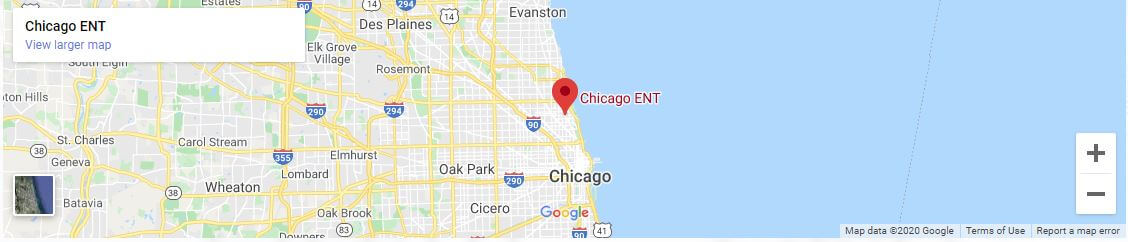
Dealing with congestion and facial pressure that no allergy medication seems to fix? Schedule an appointment at Chicago ENT in Chicago, IL, today!