
Waking up with a dry mouth, a pounding headache, or a persistent sense of exhaustion despite spending eight hours in bed can leave you searching for answers. Many people assume poor sleep comes down to stress, screen time, or an uncomfortable mattress. For a significant number of patients, though, the real source of the problem is located a few inches higher in the nose.
Nasal obstruction is one of the most underrecognized contributors to fragmented, unrefreshing sleep, and understanding what is actually blocking your airway is often the first step toward sleeping well again.
How Nasal Obstruction Affects Sleep
Breathing through your nose during sleep is physiologically important. The nasal passages filter, humidify, and regulate the temperature of incoming air. When they’re blocked, the body compensates by shifting to mouth breathing, which bypasses those functions entirely.
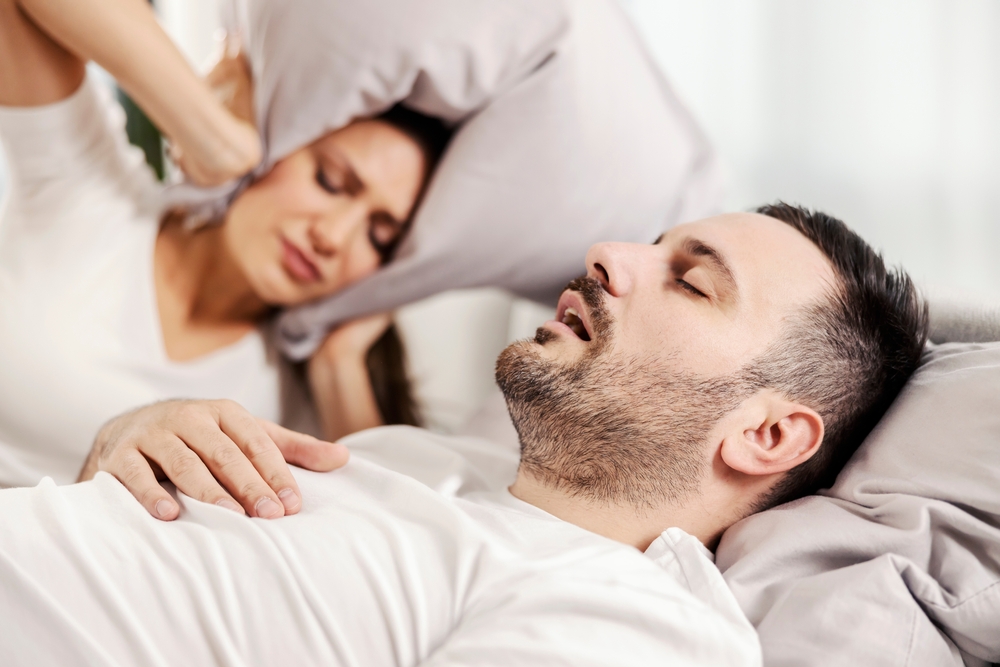
Mouth breathing during sleep dries out the throat and oral tissues, and can cause snoring.
Over time, chronic mouth breathing due to nasal obstruction can worsen airway collapse during sleep, increasing the likelihood of developing obstructive sleep apnea, a condition in which breathing repeatedly stops and restarts throughout the night.
Even in patients who don’t develop sleep apnea, nighttime nasal obstruction can cause micro-arousals. These are brief awakenings the brain triggers when airflow is compromised, and they disrupt sleep continuity even when the person isn’t consciously aware of them. The result is a lighter, less restorative sleep cycle and the kind of daytime fatigue that doesn’t improve, no matter how early you go to bed.
Common Nasal Causes of Sleep Problems
Several structural and inflammatory conditions can narrow or block nasal passages enough to affect sleep.
Deviated Septum
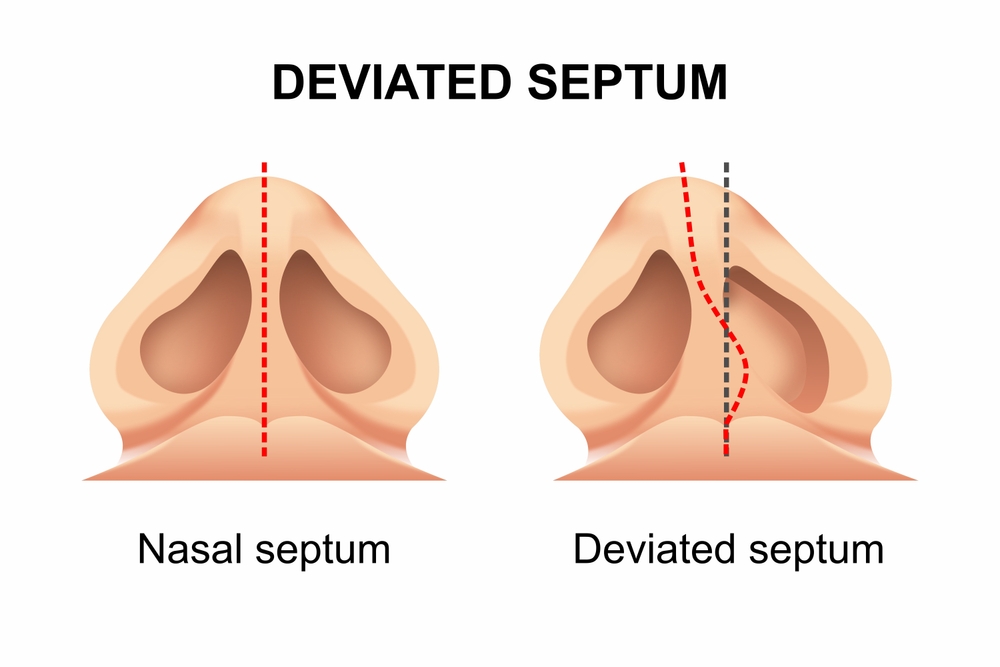
The nasal septum is the wall of cartilage and bone that divides the nose into two sides. When it deviates significantly to one side, it can reduce or nearly eliminate airflow through one nasal passage.
A deviated septum may be present from birth or may result from facial trauma. Because obstruction is structural rather than inflammatory, it does not respond to allergy medications or nasal sprays, and symptoms tend to be consistent regardless of the season.
Enlarged Turbinates
Turbinates are bony shelves inside the nose, lined with mucous membrane that help condition incoming air. When they become chronically enlarged, due to allergies, irritants, or hormonal changes, they narrow the nasal airway considerably. Enlarged turbinates are one of the most common causes of persistent nasal congestion and are frequently found alongside a deviated septum.
Nasal Polyps
Nasal polyps are soft, noncancerous growths that develop from inflamed nasal or sinus lining. They tend to form in clusters and can grow large enough to block the nasal passages and impair sinus drainage. Patients with nasal polyps often report a chronically stuffy nose, reduced sense of smell, and difficulty breathing that worsens over time.
Allergic Rhinitis
Allergic rhinitis occurs when the immune system overreacts to airborne allergens such as pollen, dust mites, mold, or pet dander. The resulting inflammation causes swelling of the nasal lining, excess mucus production, and congestion that can be difficult to manage with over-the-counter medications alone. Nighttime symptoms are particularly disruptive because lying down causes nasal tissues to swell further, worsening obstruction.
When Nasal Issues Cross Into Sleep Apnea Territory
Nasal obstruction and obstructive sleep apnea often coexist and reinforce each other. When a blocked nose forces a person to breathe through the mouth, the tongue and soft palate are more likely to collapse backward into the airway during sleep.
This is why patients with untreated nasal obstruction are at significantly higher risk for developing sleep apnea, and why some patients with existing sleep apnea struggle with their CPAP devices, which deliver pressurized air through the nose.
Warning signs that nasal-related sleep disruption may have progressed to sleep apnea include:
- Loud nightly snoring
- Gasping or choking sounds during sleep observed by a partner
- Waking with a headache
- Difficulty staying awake during the day, and difficulty concentrating
An ENT evaluation can determine whether the primary problem is nasal obstruction, sleep apnea, or both, and a home sleep apnea test can provide objective data without requiring an overnight stay in a sleep lab.
What to Expect at an ENT Evaluation

A first appointment typically involves a detailed history of your symptoms, a physical examination, and nasal endoscopy, which is a brief in-office procedure where a small camera is used to examine the nasal passages and the back of the nose. This gives the specialist a direct view of structural issues that external examination alone can’t reveal.
If sleep apnea is suspected based on your symptom history, a home sleep test may be ordered to measure breathing patterns, oxygen levels, and airflow during sleep. This data guides decisions about whether nasal treatment alone is likely to resolve the problem or whether sleep apnea treatment needs to be part of the plan as well.
The evaluation is straightforward, and the answers it provides can redirect years of fragmented sleep toward an actual solution.
Waking up exhausted despite a full night in bed? Schedule an appointment at Chicago ENT in Chicago, IL, today!