
A sleep study is one of the most useful tools doctors have for figuring out why your nights feel restless and your days feel exhausted, but the process is far less intimidating when you walk in prepared. The appointment where your doctor recommends testing is the right moment to ask questions, and the answers will help you feel more in control of what comes next.
Here are seven worth raising!
1. Do I Need an In-Lab Study or a Home Sleep Test?
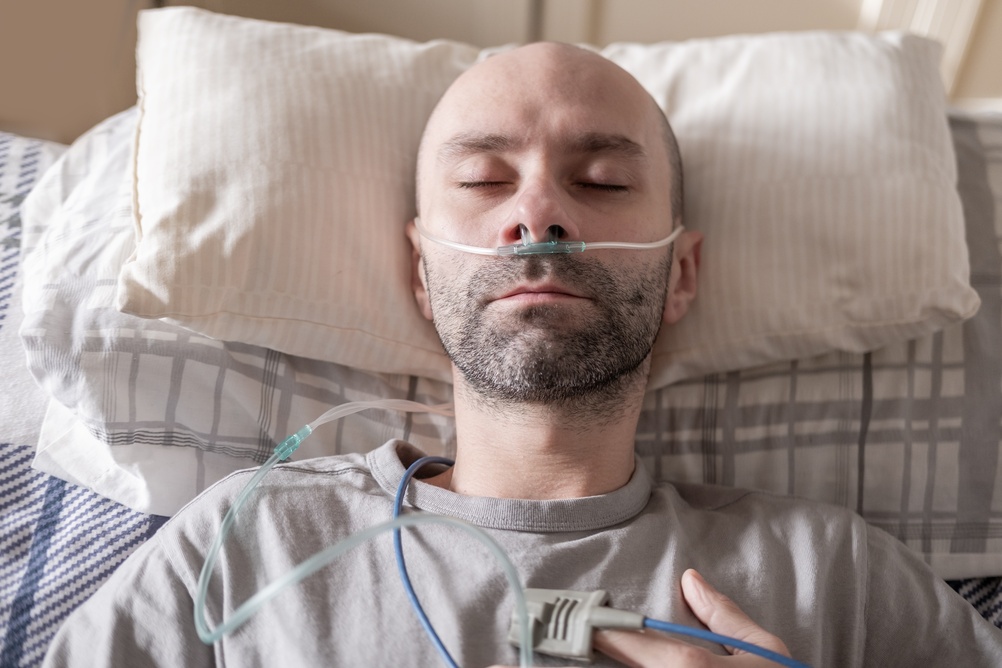
Sleep studies come in two main formats, and the right one depends on your symptoms and medical history.
An in-lab study, also called polysomnography, takes place overnight in a sleep center. A trained technician places small sensors on your scalp, chest, and legs, and computers monitor your breathing, brain activity, and movement while you sleep. No one watches you through the night, the sensors are painless, and a board-certified sleep physician reviews everything afterward.
A home sleep apnea test offers a simpler alternative for many patients. Some versions use a compact pulse oximeter that resembles a ring or watch and records oxygen levels and heart rate while you sleep in your own bed. Ask your doctor which option fits your situation.
Home testing works well for straightforward cases of suspected obstructive sleep apnea, while an in-lab study may be necessary if your symptoms are complex or other sleep disorders are suspected.
2. What Is the Study Actually Measuring?
Knowing what the equipment tracks makes the whole experience feel less mysterious. A sleep study records and classifies the different stages of sleep along with the physiological activity that happens during each one. It measures how often your breathing pauses or becomes shallow, how your oxygen levels respond, your heart rate, and how much your sleep is fragmented through the night.
Ask your doctor what specific data points matter most for your case. If snoring and daytime fatigue are your main concerns, the number of breathing interruptions per hour will be a central figure. That number helps determine whether you have sleep apnea and, if so, how severe it is. Knowing what is being measured ahead of time makes the results far easier to interpret when you sit down to review them.
3. How Should I Prepare the Night Before?
Preparation can affect how accurate your results are, so this is a practical question worth asking. Find out whether you should avoid caffeine or alcohol in the hours before testing, since both can alter your sleep patterns and skew the data.
Also, ask whether you should continue or pause any regular medications, because some can influence sleep stages or breathing.
You will also want to know what to bring to an in-lab study and how to keep your usual bedtime routine as normal as possible. The goal is to capture a night that reflects how you typically sleep, not an unusually restless or sedated one.
A short conversation about these details helps you avoid surprises and gives the test the best chance of producing reliable information.
4. What Conditions Could the Results Reveal?

Many people assume a sleep study only looks for obstructive sleep apnea, but the test can uncover a range of issues. Obstructive sleep apnea, where the throat muscles relax and block the airway, is the most common finding, and it often goes hand in hand with chronic snoring. The study can also detect central sleep apnea, a different condition in which the brain fails to send proper signals to the muscles that control breathing.
Beyond these, testing can flag insomnia patterns, excessive daytime sleepiness, and other disorders that disrupt restful sleep. Ask your doctor what conditions they are screening for based on your symptoms. If you experience pauses in breathing, gasping, or persistent fatigue despite a full night in bed, the study can clarify which of several possible causes is behind it.
5. What Happens After My Results Come Back?
The night of testing is only one part of the process, and knowing the timeline ahead keeps you from wondering whether anything is happening.
After the study, a physician board-certified in sleep medicine reviews and interprets the full set of recordings. That analysis determines whether you have a sleep disorder, how severe it is, and what should happen next.
Ask how long results typically take and how you will receive them. Find out whether you will have a follow-up appointment to discuss the findings in person and who will guide you through your options.
Clarifying these steps in advance turns the waiting period into a defined process rather than an open question, and it ensures you know exactly who to contact with concerns.
6. What Treatment Options Would Be Available to Me?
If the study confirms a diagnosis, the conversation naturally shifts to treatment, so it helps to understand the landscape early. Continuous positive airway pressure, or CPAP, remains the leading therapy for obstructive sleep apnea. The machine delivers gentle air pressure through a mask to keep your airway open, and it works well for many patients with moderate to severe cases.
CPAP is not the only path, however. Ask about the full range of treatment options, which may include a custom oral appliance that repositions the jaw to keep the airway clear.
For patients who cannot tolerate CPAP, an implantable device such as Inspire therapy stimulates a nerve in the tongue to prevent airway collapse during sleep.
Minimally invasive office procedures and surgical options exist as well. Raising these possibilities early lets you understand the whole picture rather than assuming a single solution.
7. Will Insurance Cover My Sleep Study and Treatment?

The financial side of testing is a fair and important question. In many cases, a documented sleep study and an official diagnosis are required before insurance will approve treatment. This is especially true for devices like CPAP machines and certain implantable therapies, where coverage often depends on meeting specific clinical criteria.
Ask your doctor’s office to explain what your insurance is likely to require and what documentation will support your claim.
A sleep study answers questions that have probably kept you up, in more ways than one. Walking into your appointment with these seven questions ready means you leave with a clearer understanding of the test, your results, and the road ahead. The specialists at Chicago ENT take a comprehensive approach, making a careful diagnosis first and then matching you with the treatment that fits your needs rather than offering a single fix for everyone.
Ready to get answers about your sleep and breathing? Schedule an appointment at Chicago ENT in Chicago, IL, today!