
Every spring in Chicago, tree pollen blankets cars, coats sidewalks, and drifts through open windows, and for millions of residents, it signals the start of weeks of congestion, facial pressure, and foggy, miserable days.
For many people, seasonal allergies set off a chain reaction inside the sinuses, irritated eyes, breathing difficulty, that turns an ordinary spring into an endurance test. Knowing what’s happening in your body, what you can do to get ahead of it, and when to seek professional care can make a real difference in how you get through the season.
Why Spring Allergies Hit Your Sinuses So Hard

The sinuses are four pairs of air-filled spaces in your skull, positioned behind your forehead, cheeks, nose, and eyes. They produce mucus continuously, which drains through small openings into the nasal passages and carries bacteria, dust, and debris out of your airways. When that drainage system works properly, you don’t notice it at all.
Spring allergens, especially tree pollen from elm, oak, and birch, are inhaled into the nasal passages and trigger an immune response. Your body identifies pollen as a threat and releases histamine, which causes the lining of your nasal passages and sinuses to swell. That swelling narrows or closes the small drainage openings, and mucus that can no longer drain begins to accumulate. The pressure builds in your face and forehead, breathing through your nose becomes labored, and post-nasal drip can irritate your throat throughout the day and night.
For people with allergic rhinitis or sinusitis, this pattern repeats every season and can stretch into summer as grass pollen takes over. Unmanaged, it sometimes progresses to a full sinus infection, where bacteria colonize the trapped mucus and symptoms become significantly worse.
How to Reduce Your Exposure Before Symptoms Take Hold
Controlling what you breathe in is the most direct way to limit how hard allergy season hits your sinuses. Allergen avoidance is actually the most effective treatment for any allergic disease.
On high pollen days, keeping windows closed and running air conditioning with a clean HEPA filter removes a meaningful amount of pollen from indoor air. Checking daily pollen counts helps you plan outdoor activities for lower-count days or times of day, typically later afternoon rather than morning when counts peak.

After spending time outdoors, showering and changing clothes before sitting on furniture or getting into bed reduces how much pollen you carry into your home. If you have pets that go outside, be mindful that they will be a source of outdoor pollen making its way inside, especially important if the pet enters the patients’ bedroom. Rinsing your nasal passages with a saline solution each evening, using a neti pot or squeeze bottle, physically clears pollen and debris from the nasal lining before your immune system has hours overnight to react to it. For many people, consistent nasal rinsing during allergy season alone reduces the severity of sinus symptoms.
Over-the-Counter Relief Options
When prevention isn’t enough, several OTC products help manage allergy-related sinus symptoms. Oral antihistamines block histamine and reduce nasal inflammation, sneezing, and runny nose.
Non-drowsy options like loratadine and cetirizine work well for daytime use. You can also consider using nasal steroid sprays, such as fluticasone or triamcinolone, to reduce inflammation in the nasal lining. These are most effective when started a week or two before peak pollen season begins rather than after symptoms have already taken hold.
Decongestants can temporarily shrink swollen nasal tissue and improve drainage, though they should not be used for more than 3 consecutive days to avoid rebound congestion.
When OTC Options Aren’t Enough
For some patients, antihistamines and nasal sprays provide partial relief but never fully clear the congestion, or symptoms return within days of stopping medication. Others find that spring allergies reliably escalate into a chronic runny nose, post-nasal drip, or recurring sinus infections that cycle throughout the season.
These are signs that over-the-counter management alone isn’t addressing the underlying problem. At that point, seeing an ENT and allergy specialist makes sense.
An ENT and allergy specialist can evaluate whether your symptoms are being driven primarily by allergy, by structural issues such as nasal polyps or a deviated septum, or by a combination of both. A nasal endoscopy is a quick, in-office procedure that gives your provider a direct view of the nasal and sinus passages to identify inflammation, polyps, or blockages that aren’t visible from the outside. That information guides a treatment plan tailored to what’s actually causing your symptoms.
Treatment Options at Chicago ENT
Allergy Testing and Immunotherapy
The specialists at Chicago ENT offer comprehensive allergy testing using skin tests that identify exactly which allergens are triggering your immune response. With that information, treatment can be far more targeted than generic antihistamines.
For patients with moderate to severe allergies, immunotherapy is the most effective long-term option. Allergy shots (subcutaneous immunotherapy) are administered in the office and gradually desensitize your immune system by introducing increasing amounts of your specific allergens over three to five years. Many patients experience meaningful symptom reduction within the first year.
Sublingual immunotherapy (SLIT) delivers the same desensitization through drops placed under the tongue each day at home, which works well for patients who prefer to avoid frequent office visits. Both approaches address the root cause of allergic sinus inflammation rather than just suppressing symptoms.
Balloon Sinuplasty for Chronic Sinus Blockage
When allergies have contributed to chronic sinusitis and the sinus drainage openings remain structurally blocked even after allergy management, balloon sinuplasty is a highly effective option.

The procedure is performed in the office under local anesthesia. A small, flexible balloon catheter is guided through the nostril into the affected sinus cavity, then gently inflated to widen the sinus opening and restore normal drainage. There is no cutting of tissue or bone, recovery is typically quick, and most patients notice a significant and lasting reduction in sinus pressure and infections.
Balloon sinuplasty does not treat the allergy itself, but for patients whose sinuses have become structurally compromised after years of seasonal inflammation, it can restore the drainage function that makes allergy management much more effective.
Getting Ahead of the Season
Spring allergy season in Chicago typically begins in late February or March as tree pollen rises, and runs through June as grass pollen peaks. The earlier you address symptoms, the better your options. Starting nasal steroid sprays before counts climb, scheduling allergy testing during a low-symptom period, and talking with your allergist about whether immunotherapy is right for you are all steps that pay off over multiple seasons.
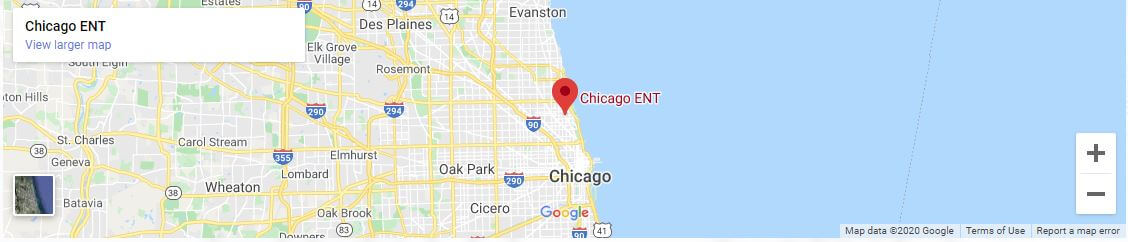
Dealing with sinus pressure, congestion, or allergy symptoms that linger no matter what you try? Schedule an appointment at Chicago ENT in Chicago, IL, today!