
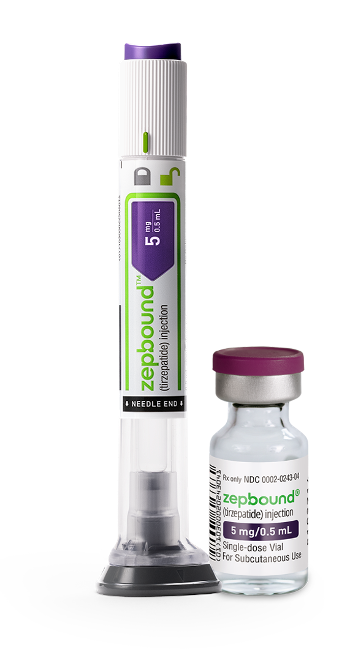
If you’ve been diagnosed with obstructive sleep apnea and obesity, you may not have heard about a new treatment option that didn’t exist even a year ago. Zepbound (tirzepatide) recently became the first FDA-approved medication specifically for moderate-to-severe obstructive sleep apnea in adults with obesity.
This approval represents a significant shift in how physicians can approach OSA treatment, particularly for patients who struggle with CPAP or haven’t found success with traditional therapies.
Keep reading to learn more about Zepbound treatment for sleep apnea!
How Does Zepbound Help With Sleep Apnea?
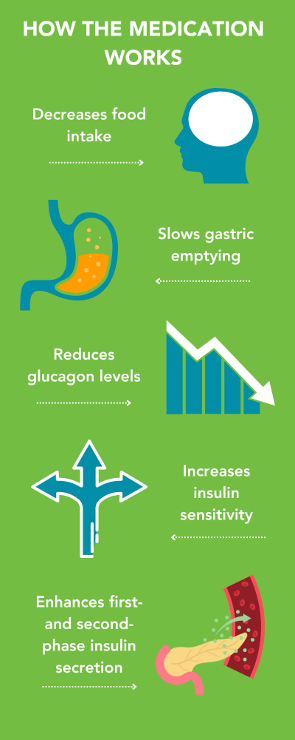
Zepbound is an injectable prescription medication originally developed for type 2 diabetes and weight management. The medication works by mimicking hormones that regulate blood sugar and appetite, leading to significant weight loss in many patients.
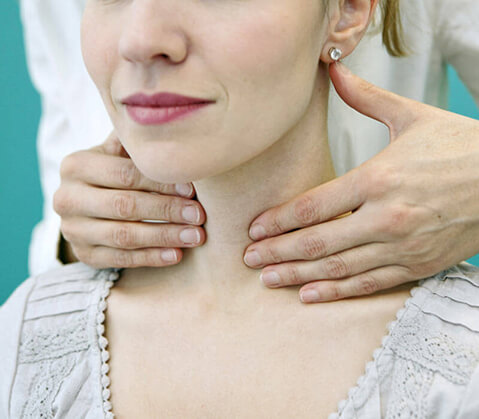
The connection between Zepbound and sleep apnea improvement is straightforward: excess weight, particularly around the neck and upper airway, contributes directly to airway collapse during sleep.
When patients lose weight, the pressure on their airways decreases, reducing the frequency and severity of breathing interruptions.
Zepbound helps facilitate this weight loss through its effects on appetite regulation and metabolic function. However, Zepbound is not a standalone cure for obstructive sleep apnea.
The FDA approved it specifically for use alongside a reduced-calorie diet and increased physical activity. What makes this approval particularly significant is that Zepbound addresses both the weight management and sleep apnea simultaneously, tackling the root cause while directly treating the condition.
Patients need to commit to lifestyle modifications for optimal results. This is where comprehensive care from specialists like those at Chicago ENT becomes important.
Chicago ENT offers Zepbound as part of a comprehensive approach to sleep apnea management. Rather than relying on a single treatment, Dr. Friedman and his team create personalized care plans that may combine Zepbound with other advanced therapies, including Inspire therapy, CPAP alternatives, surgical interventions, and airway optimization procedures like nasal and sinus surgery.
This ensures each patient receives the most effective combination of treatments for their specific situation.
Who Benefits Most from Zepbound?

Zepbound received FDA approval specifically for adults with moderate-to-severe obstructive sleep apnea who also have obesity.
Not every sleep apnea patient qualifies as a candidate for this medication. The treatment works best for patients whose sleep apnea is directly connected to excess weight.
During an evaluation at Chicago ENT, Dr. Friedman will assess whether Zepbound fits into your treatment plan. Some patients benefit from Zepbound alone, while others achieve better results by combining the medication with other interventions.
For instance, a patient might use Zepbound to facilitate weight loss while also addressing structural airway issues through nasal or sinus procedures.
Patients who have struggled with CPAP compliance often ask about Zepbound as an alternative. While the medication can reduce sleep apnea severity enough that some patients no longer need CPAP, this outcome varies.
The specialists at Chicago ENT approach each case individually, monitoring progress and adjusting treatment strategies based on how patients respond.
How Does Zepbound Work?
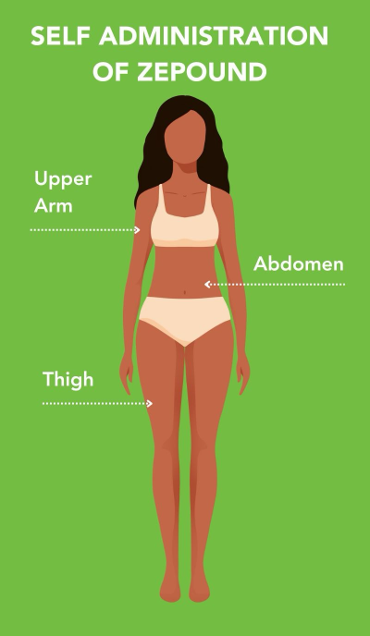
Zepbound contains tirzepatide, a medication that activates two hormone receptors involved in blood sugar regulation and appetite control. Patients self-administer Zepbound through weekly subcutaneous injections, typically in the abdomen, thigh, or upper arm.
The dosage starts low and increases gradually over several months to minimize side effects and allow the body to adjust to it.
Most patients begin noticing weight loss within the first few weeks of treatment. The medication reduces hunger and helps patients feel satisfied with smaller portions. Combined with dietary changes and increased physical activity, this leads to steady weight reduction over time.
What to Expect During Treatment
Starting Zepbound requires medical supervision and monitoring. Common side effects include nausea, diarrhea, decreased appetite, vomiting, and constipation. These effects are usually most pronounced when starting the medication or increasing the dose, and they often improve over time.
Patients using Zepbound need regular follow-up appointments to monitor progress and adjust treatment as needed. These visits typically include weight checks, discussions about side effects, and assessments of sleep apnea symptoms. Some patients undergo follow-up sleep studies to objectively measure improvements in their condition.
The timeline for results varies among patients. Improvements in sleep apnea often correlate with weight loss, though the relationship isn’t perfectly linear. Some patients experience symptom relief relatively early in treatment, while others need to lose more weight before noticing significant changes.
Taking the Next Step
The FDA approval of Zepbound for obstructive sleep apnea creates new possibilities for patients who haven’t found adequate relief with traditional treatments. Chicago ENT stays at the forefront of emerging therapies, offering innovative options like Zepbound alongside established treatments.
If you have moderate-to-severe obstructive sleep apnea and obesity, Zepbound may be worth considering. Even if you’re currently managing your sleep apnea with CPAP or other treatments, a conversation with Dr. Friedman can help you understand whether adding Zepbound to your regimen might improve your outcomes.
Schedule a consultation at Chicago ENT in Chicago, IL, today to discuss whether Zepbound or other advanced therapies might help you achieve better sleep and better health.