
You wake up tired, despite having slept eight hours. Your partner mentions you’ve been snoring more lately. You find yourself nodding off during afternoon meetings, even after a full night’s rest.
For decades, sleep apnea was considered primarily a condition affecting men. However, recent studies show that sleep apnea in women is far more common than previously recognized.
Keep reading to learn more about sleep apnea and its prevalence in women!
Why Sleep Apnea Is Rising and Why It’s Affecting More Women
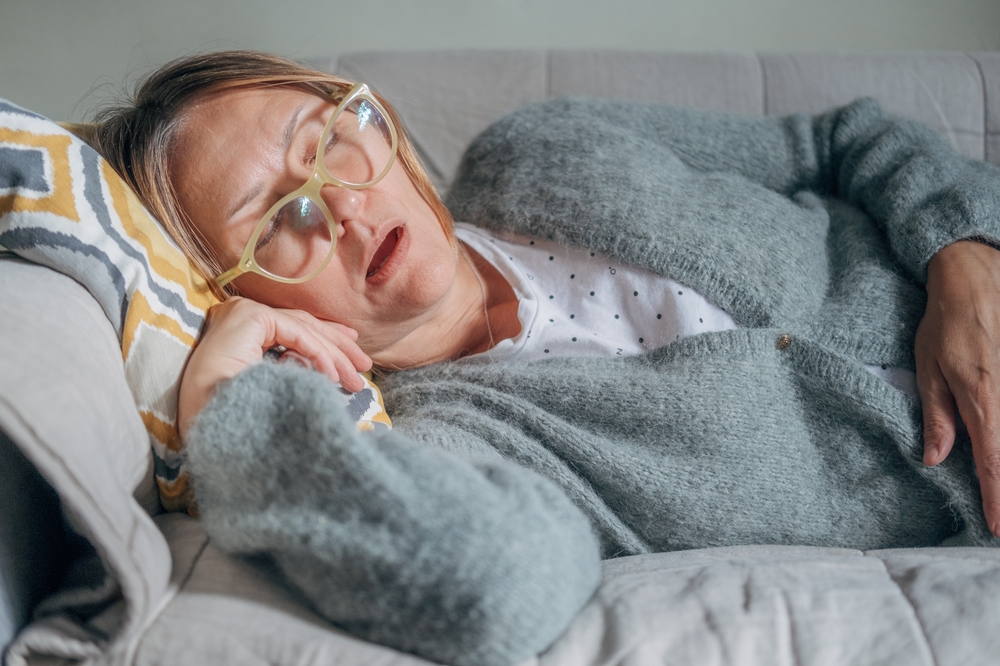
Sleep apnea is becoming more prevalent, and experts point to several lifestyle and environmental factors driving the increase. Rising obesity rates, an aging population, poor sleep habits, and even air pollution all contribute to a higher likelihood of developing this condition.
But for women, there’s another major factor at play: hormonal changes.
As women enter menopause and beyond, their bodies produce less estrogen and progesterone. These two hormones play a key role in keeping upper airway muscles strong and functioning properly during sleep.
When these hormone levels drop, the muscles that support the airway can weaken, making airway collapse (a hallmark of sleep apnea) more likely. This change helps explain why women who may never have experienced sleep issues before suddenly develop sleep apnea during or after menopause.
These shifts, combined with modern risk factors such as weight gain and reduced sleep quality, as well as more women living well past menopause, help explain the growing number of women being diagnosed with sleep apnea today.
What Is Sleep Apnea?
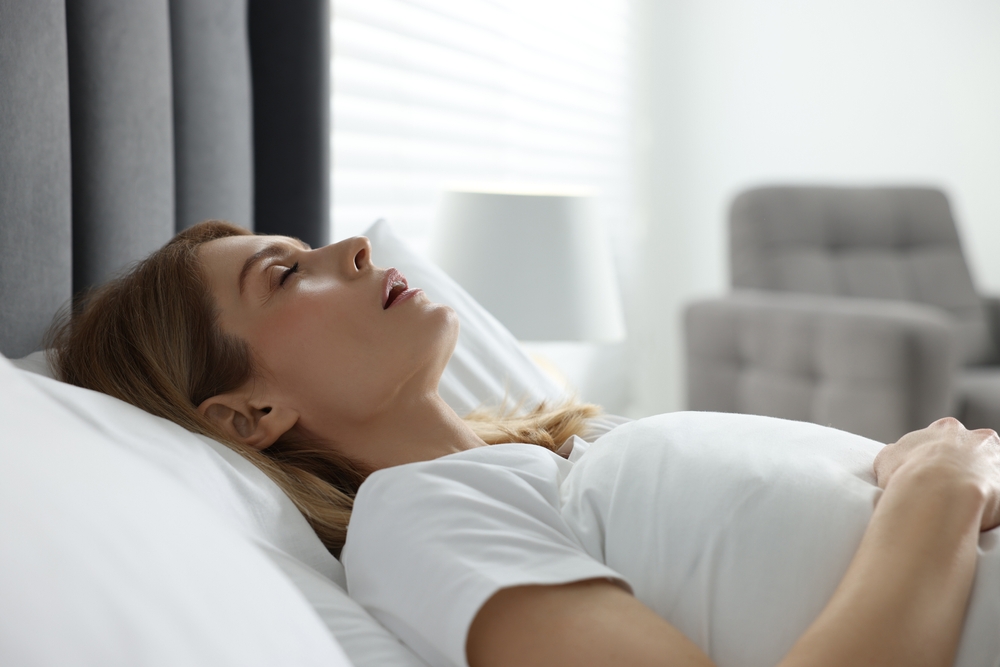
Sleep apnea is a sleep disorder that causes repeated pauses in breathing throughout the night. The most common form, obstructive sleep apnea (OSA), happens when the soft tissues in the throat relax too much during sleep, blocking the flow of air.
When breathing stops, the body is deprived of oxygen. Oxygen levels in the blood drop, triggering a stress response that partially wakes you just enough to resume breathing. You may not remember these brief awakenings, but they prevent you from reaching the deep, restorative stages of sleep your body needs.
The repeated cycle of breathing cessation and resumption places enormous strain on your cardiovascular system. Your heart rate and blood pressure spike with each event as your body fights to restore normal oxygen levels.
This constant stress response increases the body’s exposure to stress hormones like cortisol and adrenaline throughout the night. Instead of the rest and recovery that should happen during sleep, your body remains in a state of physiological alarm, never fully relaxing or healing.
The Risks of Untreated Sleep Apnea
When left untreated, sleep apnea can do more than just make you tired. It can seriously impact your long-term health. Common complications include:
High blood pressure: Frequent drops in oxygen cause the body to release stress hormones that raise blood pressure.
Heart disease: Interrupted breathing puts additional strain on the cardiovascular system.
Stroke: Reduced oxygen flow can increase the risk of vascular damage over time.
Daytime fatigue: Poor-quality sleep leads to ongoing tiredness, irritability, and difficulty concentrating.
Beyond these major health risks, untreated sleep apnea affects daily life in tangible ways. Chronic fatigue becomes a constant companion, making it difficult to concentrate at work, enjoy activities, or maintain relationships. The tiredness never improves with more sleep because the sleep you’re getting isn’t restorative.
Mood changes, including irritability, anxiety, and depression, frequently accompany untreated sleep apnea. The combination of chronic exhaustion and the biochemical effects of disrupted sleep affects brain chemistry and emotional regulation.
Signs You Might Have Sleep Apnea
Sleep apnea often goes unnoticed, especially when symptoms are mild. However, there are several telltale signs to watch for:
- Your partner mentions that you snore loudly or sometimes stop breathing while asleep
- You wake up with headaches, a dry mouth, or a sore throat
- You feel tired even after a full night’s sleep or struggle to stay awake during the day
- You have trouble concentrating or notice mood changes, such as irritability
Even if symptoms seem minor, they may point to a deeper issue that deserves attention.
What to Do If You Notice the Signs

If you recognize any of these symptoms, it’s important to get evaluated. This is important for your sleep and your overall health. The specialists at Chicago ENT can help determine whether sleep apnea is the cause of your symptoms.
A sleep study is the definitive way to diagnose sleep apnea and determine its severity. Sleep studies monitor your breathing, oxygen levels, heart rate, and other vital signs throughout the night.
The results of your sleep study show how many times per hour your breathing is interrupted and how severe the oxygen drops are during these events. This information guides treatment decisions and helps your provider recommend the most appropriate therapy for your specific situation.
Chicago ENT offers comprehensive sleep apnea treatment options tailored to each patient’s needs. These include CPAP and BiPAP therapy, oral appliances, Inspire therapy, lifestyle modifications, and Zepbound, the first FDA-approved medication for moderate-to-severe obstructive sleep apnea in adults with obesity.
Once diagnosed, your ENT will review your results and recommend a treatment plan tailored to your needs. Effective treatment not only helps you sleep better but also protects your long-term heart and brain health.
Don’t ignore the signs of poor sleep! Schedule an appointment at Chicago ENT in Chicago, IL, today to start getting the restful, healthy sleep your body needs.