
Sleep apnea can disrupt sleep, cause unpleasant symptoms, and increase the risk of serious health complications. Fortunately, CPAP therapy can manage sleep apnea effectively when used correctly.
By learning how to correctly use a CPAP machine, you can be well on your way to a healthier, more vibrant life. Keep reading to learn more about the 6 common CPAP mistakes and how to avoid them.
What is Sleep Apnea?
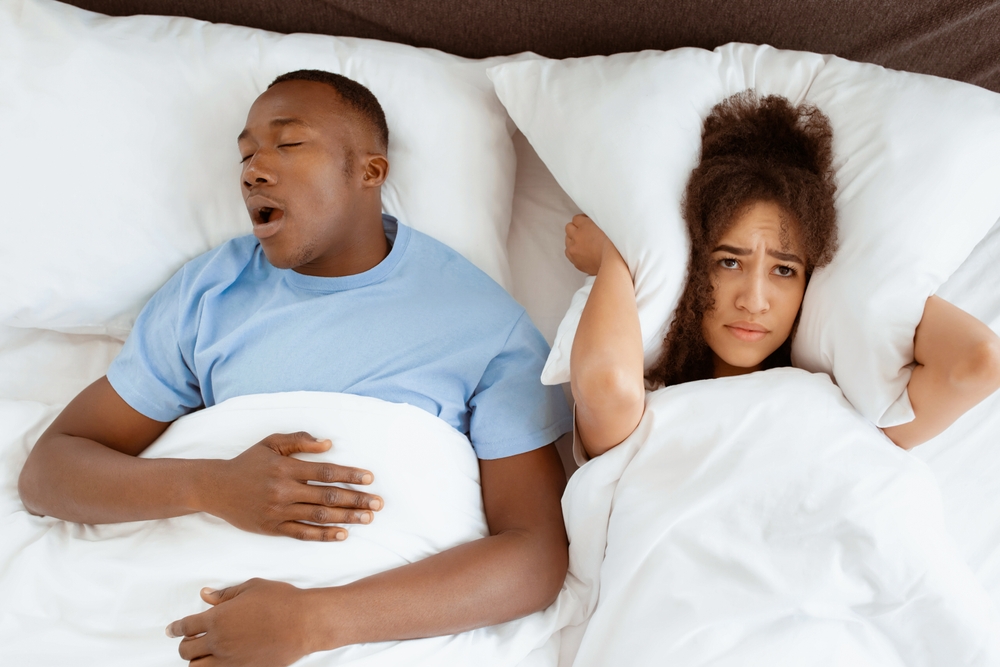
Sleep apnea is a serious condition that causes breathing to stop and start multiple times while you sleep. The involuntary breathing stoppages are called apneic episodes.
The most common type of sleep apnea is known as obstructive sleep apnea (OSA). OSA happens when the muscles supporting your tongue, tonsils, uvula, side walls of your throat, and soft palate relax too much.
When these muscles relax, they can partially or completely block your airway as you inhale, preventing you from getting sufficient air. Once your brain senses that you can’t breathe, it protects you by waking you up just enough so you can start breathing again.
The breathing pauses can occur 20 to 30 times per hour, or in more severe cases, over 30 to hundreds of times per hour, and last for about 10 to 30 seconds each time, throughout the night.
While these awakenings are usually quite brief that you won’t recall them, they can keep you from reaching the deep, restorative stages of sleep, critical to your health and overall well-being.
What are the Symptoms of Sleep Apnea?
With sleep apnea, you may experience symptoms such as:
- Loud snoring
- Breathing pauses
- Insomnia
- Night sweats
- Morning headaches
- Waking up with a dry mouth
- Irritability
- Trouble concentrating
- Excessive daytime fatigue and sleepiness
- Anxiety or depression
What is a CPAP Machine?
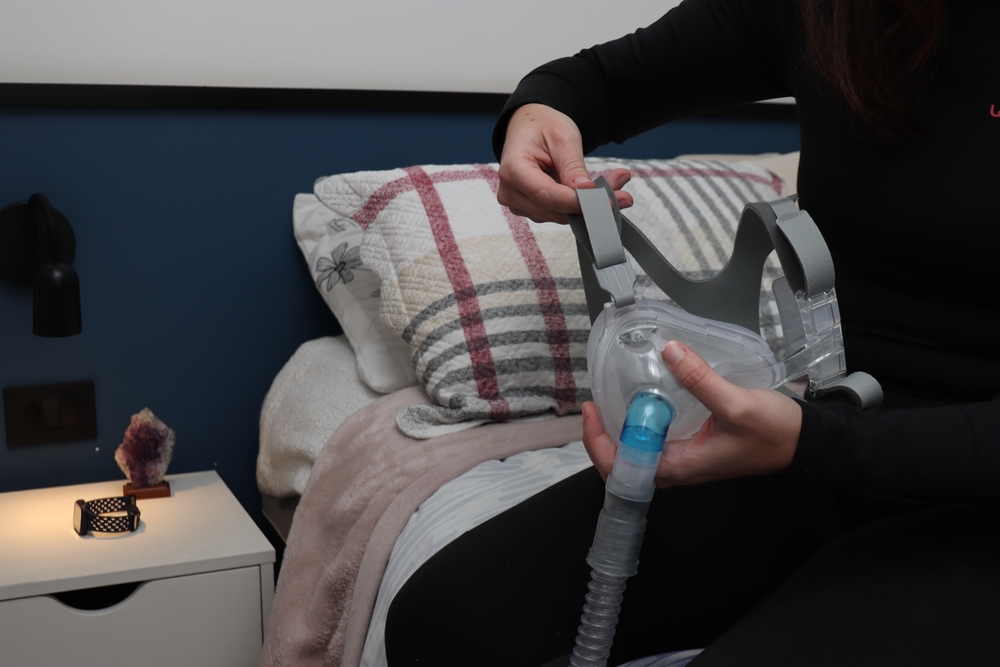
A continuous positive airway pressure (CPAP) machine is a device prescribed to treat obstructive sleep apnea. It works by delivering a continuous flow of pressurized air, which you breathe in through a mask worn over your mouth and nose, or just your nose.
The steady stream of pressurized air keeps your airway open as you sleep, allowing you to breathe normally with fewer apneas. This improves your sleep quality, helping you feel more refreshed after a night’s sleep.
For CPAP therapy to work, you must use the equipment every time you sleep. Consistent use can improve sleep quality, reduce daytime sleepiness and fatigue, decrease snoring, improve mood and other apnea symptoms, and significantly reduce the risk of health complications of sleep apnea.
What are the Common CPAP Mistakes and How Can You Avoid Them?
CPAP users often make mistakes that can decrease the effectiveness of the treatment. Below are some common mistakes and how to avoid them to experience the maximum benefits of the therapy.
1. Not Giving Yourself Time to Get Accustomed to Your CPAP Mask
Initially, you may find the mask claustrophobic or uncomfortable. However, don’t give up too fast.
It can take some time to get used to it. Try wearing the mask while you’re awake.
You can wear it for short periods when working on the computer, reading, scrolling on your phone, or watching TV to acclimate to the sensation. Once you’re used to it, wear the mask and hose with the pressure on while engaging in these activities.
Gradual and frequent exposure can help you ease into it and feel more comfortable sleeping with the device. So, practice, practice, practice.
2. Using an Ill-Fitting Mask
Wearing the wrong size mask can cause discomfort, air leaks, and interrupted sleep, reducing the effectiveness of the treatment. To resolve these issues and ensure you benefit from a CPAP machine, try different mask styles until you get the most snug, comfortable fit.
The various types include a nasal mask that covers your nose, a nasal pillow that fits under your nose, and a full-face mask that covers your mouth and nose.
3. Inconsistent Usage
Avoid skipping CPAP usage to maintain the benefits of the treatment. Stopping and restarting can make it hard to get used to your CPAP machine and keep the treatment from being effective.
Use your CPAP machine every night, as well as during naps, travel, and vacations. This will enhance your sleep quality, alleviate symptoms of sleep apnea, and improve your overall health.
The more consistent you are, the more successful the treatment will be.
4. Not Cleaning Your CPAP Machine
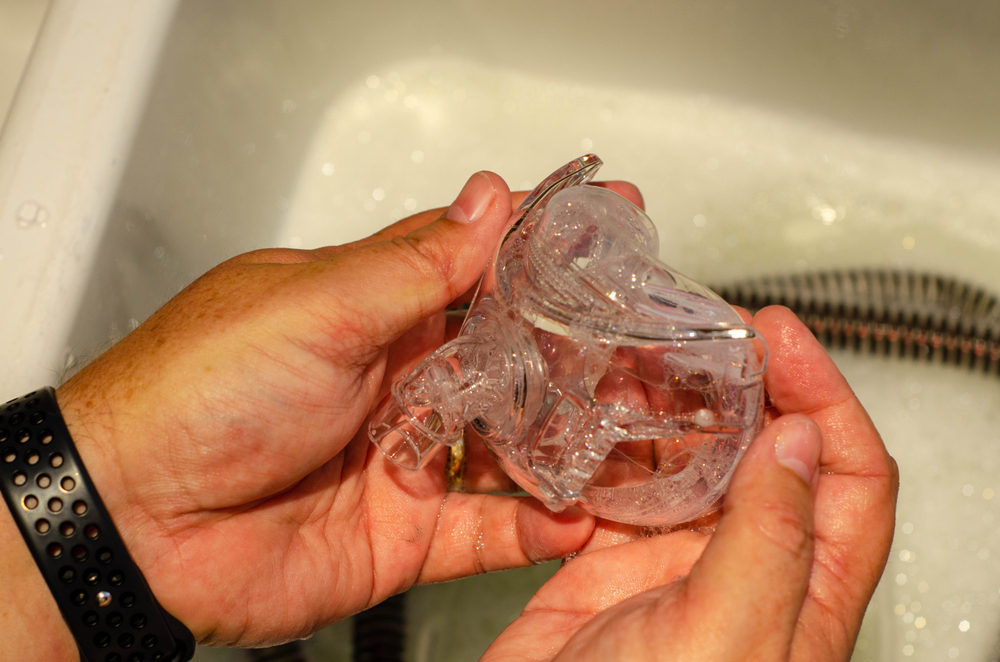
A dirty CPAP machine can cause a musty smell and the accumulation of bacteria, mold, and dust in the mask and tubing. It can also reduce the lifespan of your equipment.
To prevent a pungent smell, dust buildup, and mold or bacteria from forming, wash the mask, outer cushion, and humidifier reservoir with mild soap and warm water daily. Rinse thoroughly and air dry.
Also, clean the tubing and headgear once a week and replace filters as often as recommended. Remember to cleanse your face to get rid of any oils or makeup before using your mask.
This will help you breathe easier, prevent allergies, skin and respiratory infections, and prolong the life of your device.
5. Failing to Use Comfort Accessories
You may face various challenges when using a CPAP machine. Your skin may become irritated from continued wear, and it can be difficult to stay asleep comfortably.
Fortunately, these issues can be easily resolved with the right comfort accessories. These accessories can enhance your CPAP experience, comfort, and sleep quality, and include.
Heated Tubing: Heated tubing prevents moisture buildup and delivers warm air, eliminating the unwanted side effects of cold air, such as condensation, clogged nasal passages due to increased mucus production, dry nose or mouth, nosebleeds, and a sore throat.
Mask Liners: Liners create a soft barrier between the silicon mask cushion and your skin, increasing comfort and reducing air leaks, redness, skin irritation, and pressure marks.
Headgear Strap Pads: Strap pads are designed to prevent strap marks on your face and make your headgear more comfortable.
6. Giving Up Too Fast
While you may face challenges, it’s important not to give up the fight too quickly. Be patient, remain consistent, and incorporate the tips above to adjust to your CPAP machine and ensure the success of the treatment.
Just remember that with frequent use, CPAP therapy can considerably improve your quality of life and minimize the risk of heart disease, stroke, liver problems, and other health complications linked to untreated sleep apnea.
Better Sleep, Better Health with CPAP
CPAP therapy is an effective treatment for sleep apnea. By avoiding these common CPAP mistakes, you can achieve the restorative sleep you need every night, for a healthier, happier life.
Do you have sleep apnea or symptoms of apnea? Schedule your appointment at Chicago ENT in Chicago, IL, today and discover how CPAP therapy can help you regain a good night’s sleep.